Commercial Red Light Therapy Beds
Full-body photobiomodulation equipment built for clinics, gyms, med spas, and recovery studios — FDA Class II cleared, low EMF, made in the USA, and engineered for session-after-session duty cycles.
Key Facts
- Commercial red light therapy beds cost $15,000 to $65,000.
- The Lux S10 Pro is priced at $49,999.20; the Lux D10 Pro at $19,999.20.
- The Lux S10 Pro has 41,600 medical-grade LEDs.
- Wavelengths delivered: 630nm red, 810nm, 830nm, and 850nm near-infrared.
- Requires a dedicated 30A, 220-240V circuit; 6 kW maximum draw.
- Footprint: 83.5" x 45.7" x 43.4", 661 lbs.
- Typical session length: 10 to 15 minutes.
- Practical throughput: about 3 clients per hour, 24 to 30 sessions per day.
- LED rated service life: 100,000 hours.
- Recommended room size: approximately 10 by 12 feet.
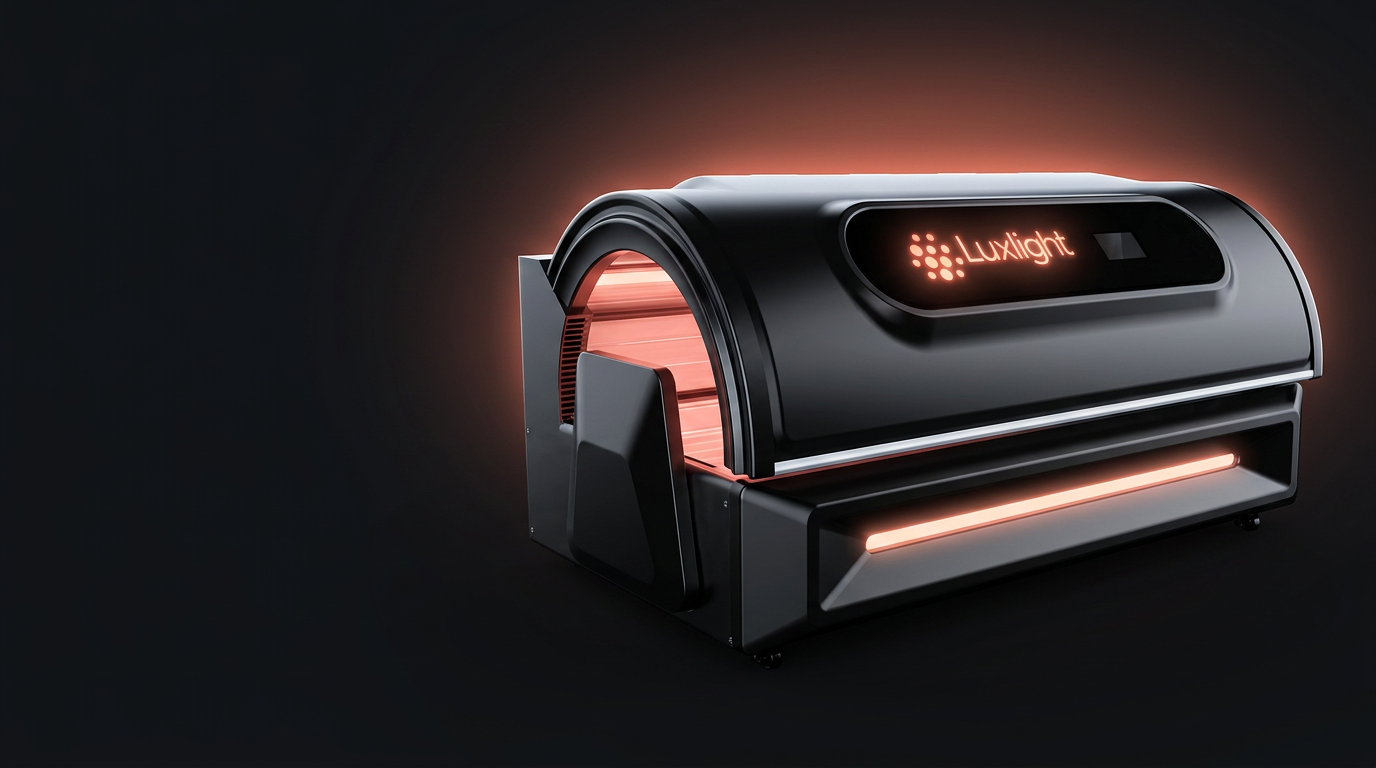
What makes a red light therapy bed commercial-grade?
A commercial-grade red light therapy bed is engineered for continuous daily operation: active cooling rated for back-to-back sessions, hinges and gas struts rated for thousands of cycles, medical-grade binned LEDs, and acrylic that survives daily disinfection. Consumer beds are specified for a few sessions a week and degrade under commercial load.
The difference between a commercial red light therapy bed and a consumer unit is not marketing language — it is duty cycle. A home bed is designed for a few sessions a week. A commercial bed in a busy wellness center may run twenty-five or more sessions a day, six or seven days a week, for years. Everything in the build has to be specified for that load.
That starts with thermal management. LEDs lose output as they heat, and heat is what kills them. Commercial units use active cooling sized for continuous operation so the emitters hold their rated irradiance from the first session of the day through the last. Consumer beds typically rely on passive or lightly assisted cooling and are specified with rest periods between sessions — periods a paying facility cannot afford.
Mechanical durability matters just as much. A canopy that opens and closes thirty times a day accumulates more than ten thousand cycles a year. Commercial hinge assemblies, gas struts, and acrylic panels are rated accordingly. So are the surfaces: commercial acrylic has to survive daily disinfection with the chemicals your protocols actually require.
Finally, there is the electronics. Medical-grade LEDs are binned so that output is consistent emitter to emitter and predictable over the service life of the bed. That consistency is what lets you publish a session protocol and know every client receives the same dose.
Which wavelengths does a commercial red light bed deliver?
A commercial bed built for a general clientele delivers four wavelengths: red at 630nm for skin and surface tissue, and near-infrared at 810nm, 830nm, and 850nm for muscle and joints. The Lux S10 Pro delivers all four across 41,600 medical-grade emitters, with third-party verification of output.
Photobiomodulation works because specific wavelengths of light are absorbed by cytochrome c oxidase in the mitochondria, increasing ATP production. Different wavelengths penetrate to different depths, so a full-body bed built for a general clientele needs more than one.
Red
Absorbed in the skin and the tissue immediately beneath it. This is the wavelength associated with collagen response, tone, and surface circulation.
Near-infrared
Penetrates past the dermis into muscle. Widely studied for post-exercise recovery and for its effect on inflammatory markers.
Near-infrared
One of the most heavily researched wavelengths in the photobiomodulation literature, particularly for tissue repair and joint comfort.
Near-infrared
The deepest of the four. Reaches larger muscle groups and deeper joint structures that surface-level devices cannot address.
The Lux S10 Pro delivers all four across 41,600 medical-grade emitters, with third-party lab verification of output. Panel arrays and smaller devices often deliver one or two wavelengths over a fraction of the body surface, which is why a bed and a panel are not interchangeable purchases.
How much space and power does a commercial bed need?
Plan for roughly 10 by 12 feet of clear floor area and verified ceiling clearance to the lowest obstruction. The Lux S10 Pro measures 83.5 by 45.7 by 43.4 inches, weighs 661 pounds, and requires a dedicated 30A, 220-240V circuit with a 6 kW maximum draw and standard HVAC supply and return in the room.
Before a commercial bed is quoted, the room has to work. Plan on roughly 10 by 12 feet of clear floor area. That allows the canopy to reach full open height without striking a ceiling fixture, leaves room on both sides for a client to get on and off the bed safely, and gives your staff access for cleaning between sessions.
Ceiling height is the constraint operators most often miss. A full-size bed with the canopy raised needs meaningful vertical clearance, and sprinkler heads, ductwork, and light fixtures all count against it. Measure to the lowest obstruction, not to the ceiling deck.
Electrically, a commercial unit belongs on a dedicated circuit. The exact service depends on the model and on your building's existing panel capacity, which is why every Luxlight commercial order includes a pre-delivery site review. We confirm circuit requirements, door and hallway clearances, and floor loading before anything ships, so installation day is uneventful.
Ventilation is the last piece. The bed's cooling system moves a significant volume of air, and a small unventilated room will heat up over a long day of sessions. A standard HVAC supply and return in the treatment room is normally sufficient.
Shipping, delivery & installation →How much revenue can one commercial bed generate?
One bed supports about three sessions per hour, or 24 to 30 sessions across a ten-hour day. Facilities typically sell memberships priced between $99 and $399 per month rather than single sessions. Operating cost is mostly electricity and cleaning supplies, so utilization is what determines return.
A commercial bed is a revenue asset, and the arithmetic is straightforward. A typical full-body session runs 10 to 15 minutes. Add five minutes for changeover, cleaning, and client transition and you get roughly three sessions per hour per bed. Across a ten-hour operating day that is 24 to 30 sessions of practical capacity.
Most facilities do not sell single sessions as their primary product. Memberships and session packages smooth demand, raise average revenue per client, and give you predictable monthly income against the equipment payment. Red light is also one of the easiest add-ons to attach to services you already sell — a recovery session after training, a treatment before or after an aesthetic service, an adjunct to physical therapy.
Two variables drive the return more than price does: utilization and retention. A bed running at 40 percent of capacity earns more than twice what a bed at 18 percent earns, and the cost to operate is nearly identical. That is why the fastest payback we see comes from facilities that already have foot traffic and simply need one more reason for members to come in.
Operating costs are modest: electricity during sessions, disinfectant and consumables, and staff time for turnover. There are no per-session cartridges or proprietary supplies.
Financing options →What warranty and support should you expect?
Every Luxlight commercial unit ships with a one-year warranty, and the Lux D10 Pro carries a three-year warranty on the unit. Delivery includes hands-on staff training on operation, cleaning protocol, and session programming. Before signing with any vendor, confirm parts lead time, who performs service, and what the warranty covers after year one.
Downtime on a commercial bed is lost revenue, so warranty terms and support responsiveness deserve as much scrutiny as the hardware specification. Every Luxlight commercial unit ships with a one-year warranty, and the Lux D10 Pro carries a three-year warranty on the unit.
Ask any vendor three questions before you sign. How long does a replacement part take to arrive? Who performs the service — the manufacturer or a third party? And what does the warranty actually cover after the first year: parts, labor, or both?
Staff training is the other half of support. A bed that your team cannot confidently explain will not sell sessions. Our delivery includes hands-on training on operation, cleaning protocol, session programming, and how to talk about the technology with clients accurately and without medical claims.
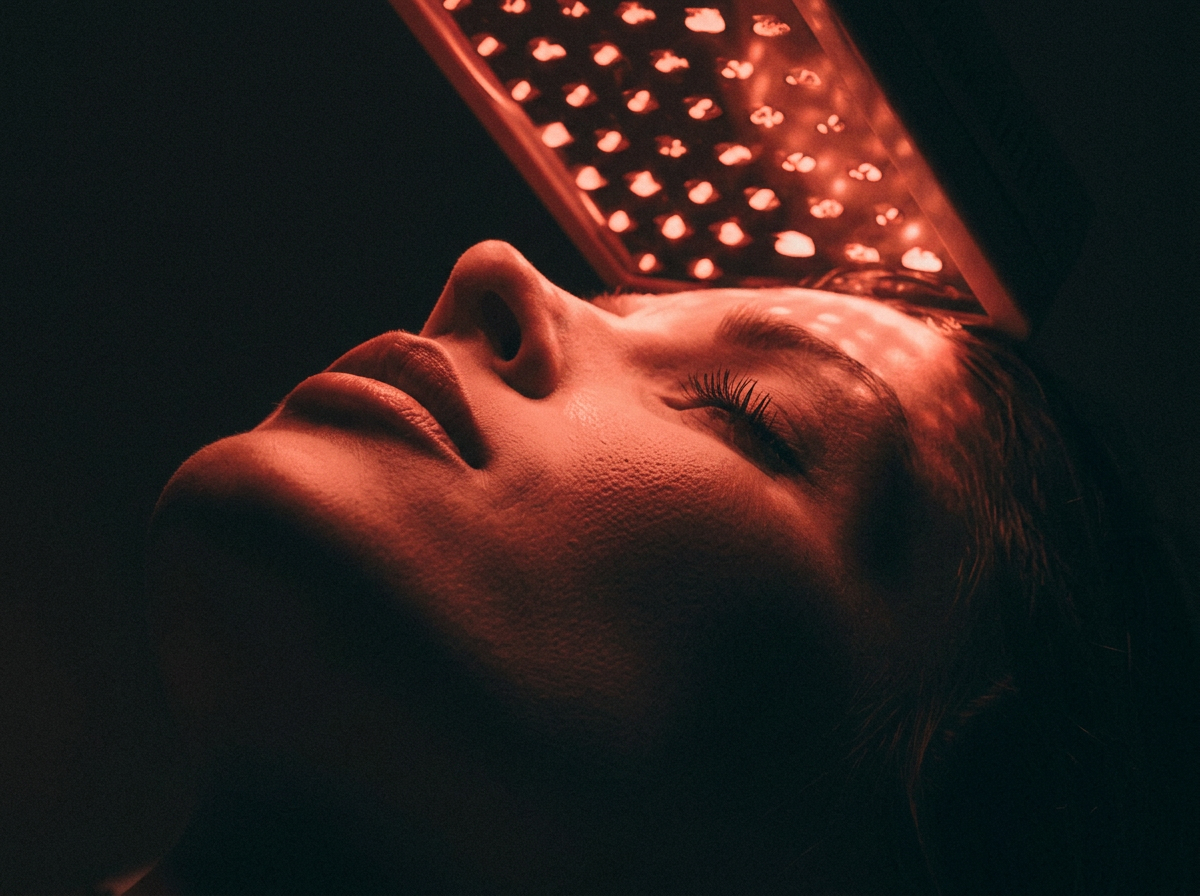
Should you choose the Lux S10 Pro or the Lux D10 Pro?
Choose the Lux S10 Pro when clients come for photobiomodulation itself: recovery, performance, comfort, and skin. Choose the Lux D10 Pro when you are adding a vitamin D wellness offering using COSMOLUX RUBINO R72 100W lamps. They are complementary technologies, not substitutes, and many facilities install both.
These are complementary technologies that answer different client demands. Many facilities install both and package them together.
Lux S10 Pro
Dedicated red light therapy bed
Four wavelengths across 41,600 emitters for recovery, performance, comfort, and skin. This is the unit to choose when clients are coming to you for photobiomodulation itself.
View the S10 Pro →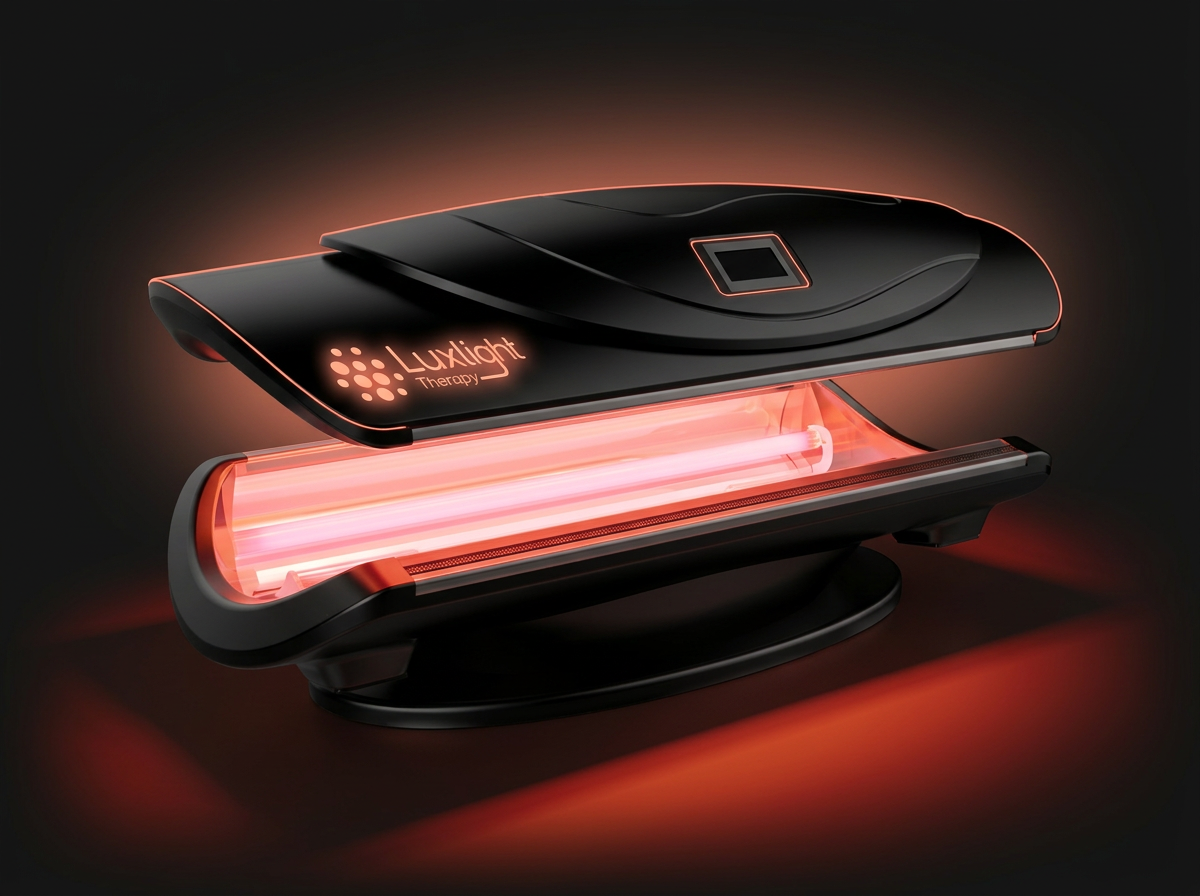
Lux D10 Pro
Commercial vitamin D wellness bed
COSMOLUX RUBINO R72 100W lamps, WiFi control, 800+ hour lamp life, and a three-year warranty. Chosen by facilities serving clients who want a vitamin D wellness offering.
View the D10 Pro →Still comparing formats or building a budget? The Health & Learning Center covers cost breakdowns, buyer checklists, and beds versus panels in depth.
How do the Lux S10 Pro and Lux D10 Pro compare on specs?
The Lux S10 Pro is a $49,999.20 red light therapy bed with 41,600 LEDs at four wavelengths, a 30A 220-240V circuit requirement, and a 661 pound, 83.5 by 45.7 by 43.4 inch footprint. The Lux D10 Pro is a $19,999.20 vitamin D bed using COSMOLUX RUBINO R72 100W lamps with a three-year warranty.
| Specification | Lux S10 Pro | Lux D10 Pro |
|---|---|---|
| Price | $49,999.20 | $19,999.20 |
| Category | Red light therapy bed | Vitamin D wellness bed |
| Emitters | 41,600 medical-grade LEDs | COSMOLUX RUBINO R72 100W lamps |
| Wavelengths | 630nm, 810nm, 830nm, 850nm | Balanced UVA + UVB, 4.1% UVB |
| Power draw | 6 kW max, 27A max current | Available upon request |
| Electrical service | Dedicated 30A, 220-240V circuit | Available upon request |
| Dimensions | 83.5" x 45.7" x 43.4" | Available upon request |
| Weight | 661 lbs | Available upon request |
| Emitter life | 100,000 hours (LED) | ~800 hours (lamp) |
| Warranty | 1 year | 3 years |
| Best-fit facility | Gyms, recovery studios, clinics, med spas | Tanning salons, wellness centers, spas |
What else do buyers ask about commercial red light beds?
The most common questions cover price, electrical service, room size, throughput, LED lifespan, FDA clearance, financing, and return on investment. Every answer below is written to stand on its own, with the specific figures a facility needs before requesting a quote.